

The Psychology of Success: Mastering the Mental Game in Sports and Careers

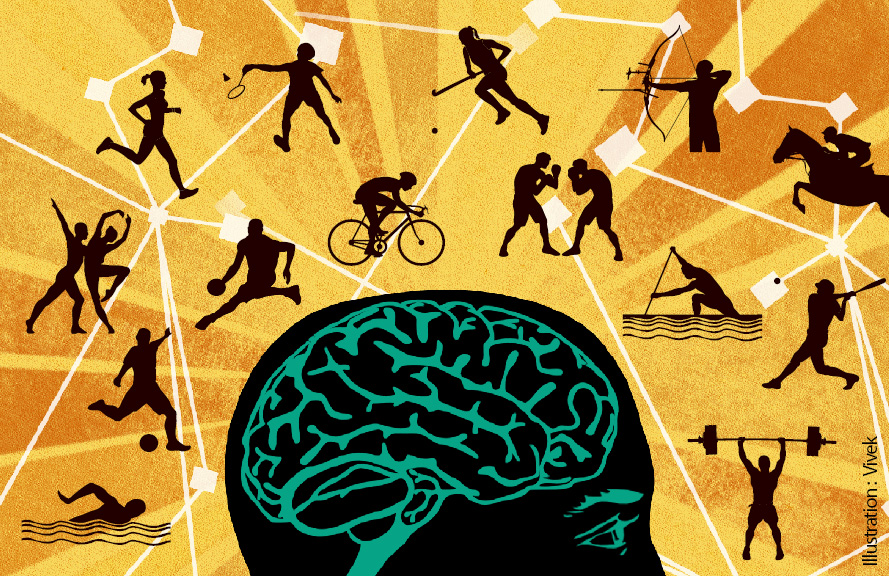
Athletes often hear that sports are “90% mental and 10% physical.” While the ratio may vary, it’s undeniable that mental conditioning is a game-changer, both on the field and in the office. The same grit that pushes an athlete to shave seconds off their sprint time or sink a game-winning three-pointer can be harnessed to crush deadlines, ace interviews, and climb the corporate ladder. But how exactly does mental conditioning bridge the gap between sports and career performance?
Building a Winning Mindset
Success in sports—and life—starts with your mindset. Ever heard of “mental reps”? Just as athletes visualize the perfect free throw or the ideal tennis serve, professionals can mentally rehearse critical presentations or tough conversations. It’s not magic; it’s psychology. Visualization activates the same neural pathways as physical practice, preparing your brain for success. Athletes who master this skill are less likely to freeze under pressure, and the same holds true in the boardroom.
Take a page from Serena Williams’ playbook: she’s known for her mental toughness and laser-sharp focus. By mentally preparing for both victory and adversity, you’ll feel less like a deer in headlights when challenges arise and more like the athlete who already knows how the game will end—victorious, of course.
Resilience: Your Inner Superpower
Let’s talk about losing. Nobody likes it, but every athlete knows that setbacks are inevitable. Whether it’s a missed penalty kick or a career stumble, resilience is the muscle that keeps you moving forward. In sports, this might mean reviewing game footage to pinpoint mistakes. In your career, it’s about reflecting on what went wrong, learning from it, and bouncing back stronger. Remember, Michael Jordan didn’t make his high school varsity basketball team, and yet…well, we all know how that story ends.
Building resilience also requires a supportive team. In sports, this might be your coach or teammates. In the workplace, it could be your mentor or a trusted colleague. Don’t underestimate the power of community to help you regroup and refocus. After all, even the strongest athletes need someone to hand them a water bottle and remind them they’ve got this.
The Role of Routine
Athletes live by routines. Practice at 6 a.m., game day rituals, pre-race meals—it’s all about creating consistency that leads to peak performance. That same discipline can help you crush it in your career. Need to meet a deadline? Break the task into manageable chunks, set clear goals, and stick to your schedule like it’s pre-season training.
But let’s keep it real: routines don’t mean living like a robot. Whether it’s a post-work workout or a midday mindfulness break, find what recharges you. Mental conditioning isn’t about grinding until you break; it’s about pacing yourself for the long haul. Think marathon, not sprint.
Confidence: The MVP of Mental Conditioning
Confidence isn’t just for the star quarterback or team captain; it’s for anyone aiming to succeed. Confidence comes from preparation, but also from silencing that nagging voice in your head that says, “What if I fail?” Spoiler: you might fail. But if you approach life with the swagger of an athlete who knows their hours of practice will pay off, you’ll turn nerves into fuel.
Here’s the kicker: confidence is contagious. Whether you’re on the field or in a team meeting, people gravitate toward those who believe in themselves. It’s like being the goalie who shouts, “I’ve got this!” and then saves the day—or the project.
Mindfulness for the Win
Mental conditioning doesn’t just mean powering through tough times; it also means staying present. Mindfulness, once reserved for yoga studios, is now a staple in athletic training. Whether it’s focusing on your breath before a big game or clearing your mind during a high-pressure negotiation, mindfulness helps you stay calm and in control.
Athletes like LeBron James swear by meditation to manage stress and stay sharp. And if it’s good enough for LeBron, it’s probably worth a shot, right? The beauty of mindfulness is that it’s portable—you can practice it anywhere, whether you’re gearing up for a pitch meeting or psyching yourself up for a tough workout.
The Crossover Effect
The connection between sports and career success isn’t just anecdotal; it’s backed by science. The same mental toughness that helps athletes persevere through grueling training sessions can help professionals tackle career challenges. Employers value the skills athletes bring—resilience, discipline, and teamwork—because they know those traits lead to success.
As a former athlete, you already have a leg up. You know how to handle pressure, you thrive in competitive environments, and you understand the value of feedback. By applying these skills to your career, you’re not just transitioning from sports—you’re sprinting ahead of the pack.
Success, whether on the field or in the office, is as much about mental strength as physical or technical ability. By mastering the art of mental conditioning, you can elevate every aspect of your life. So channel your inner athlete, embrace the challenge, and remember: the game isn’t over until you decide it is.