

Navigating Career Services: Key Questions for Student-Athletes to Jumpstart Their Job Search

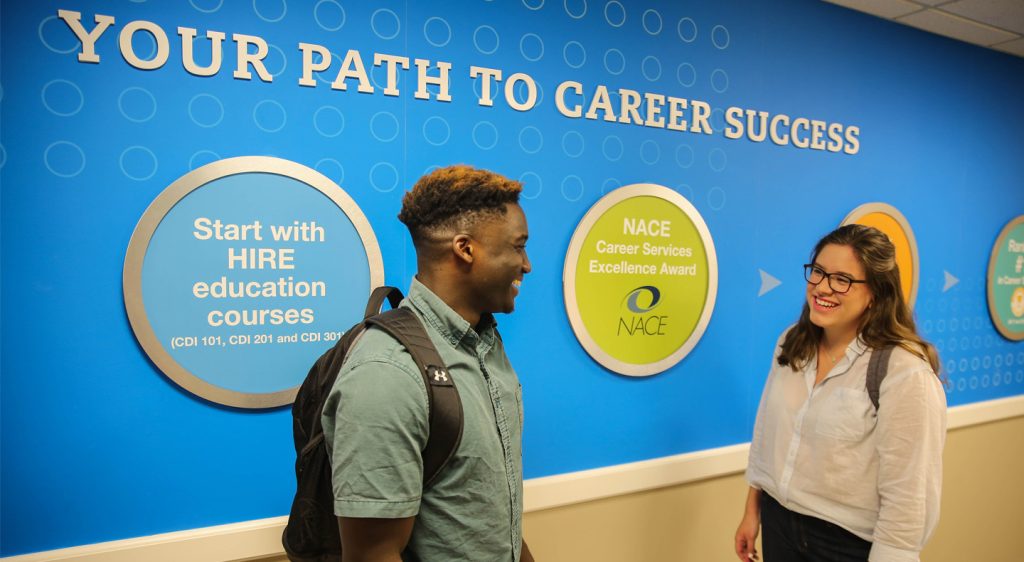
Preparing for life after college can feel like stepping onto a new playing field for student-athletes. The balance between athletic commitments and academic pursuits often leaves little room to focus on career planning. Fortunately, career services departments are designed to help students make this transition seamlessly. Asking the right questions during these sessions can be the difference between simply exploring options and crafting a tailored, actionable career plan.
When student-athletes approach career services, their unique experiences and skills must be front and center. From teamwork and time management to resilience under pressure, these attributes are assets that need to be effectively communicated to potential employers. By engaging career services with targeted questions, student-athletes can better understand how to align their athletic achievements with their career ambitions.
Uncovering Career Options
One of the first questions student-athletes should ask is how to identify career paths that match their interests and skills. Career services can provide assessments, workshops, and one-on-one counseling sessions that help students uncover their strengths and align them with potential industries.
Many student-athletes begin their job search with limited awareness of the diverse opportunities available. Career services can introduce them to industries they may not have considered—fields like operations, project management, and consulting, where their competitive nature and goal-oriented mindset are highly valued. These conversations are also a chance to discuss how their academic majors can translate into specific roles, ensuring they don’t overlook opportunities outside the realm of athletics.
Building a Competitive Resume
Crafting a compelling resume is essential for any job seeker, but for student-athletes, the challenge lies in articulating their unique experiences in a way that resonates with employers. Career services can offer critical guidance on how to showcase athletic achievements as transferable skills.
For instance, instead of listing their role as “Team Captain,” career services can help them describe the leadership and conflict resolution skills they developed while managing a group of peers. Similarly, their ability to balance rigorous training schedules with academic excellence demonstrates time management and prioritization—qualities every employer values.
Through workshops or personalized feedback, career advisors can ensure that student-athletes’ resumes are both professional and impactful, standing out in a competitive job market.
Networking and Mentorship Opportunities
Student-athletes often thrive in team environments, which makes networking an intuitive extension of their interpersonal skills. However, many are unsure how to begin building professional connections. Career services can be a bridge, providing access to alumni networks, industry panels, and job fairs that cater to their career interests.
A key question here is about tapping into alumni connections—specifically former student-athletes who have successfully transitioned into the workforce. These individuals can offer valuable insights and mentorship, helping current athletes understand what to expect in their chosen industries. Asking career services to facilitate these introductions can lead to meaningful relationships that extend beyond informational interviews and into long-term guidance.
Interview Preparation
For many student-athletes, interviews are a new kind of pressure—a different challenge than the familiar stakes of competition. Career services can play a pivotal role in preparing students to navigate these interactions with confidence and clarity.
Mock interviews, for example, offer a safe space to practice answering common questions while receiving constructive feedback. Student-athletes can ask career advisors to tailor these sessions to specific industries, ensuring they’re equipped to discuss their experiences in a way that aligns with the roles they’re pursuing.
Career services can also teach student-athletes how to anticipate and respond to behavioral interview questions. By using the STAR method (Situation, Task, Action, Result), they can frame their stories—such as overcoming a tough loss or leading their team through a challenging season—in a way that highlights their problem-solving and leadership skills.
Exploring Internships and Entry-Level Opportunities
Internships are a critical stepping stone for student-athletes looking to gain professional experience. Asking career services about available opportunities is an excellent way to identify programs that align with their career goals. Many universities have partnerships with companies that actively recruit student-athletes for their discipline, work ethic, and team spirit.
Beyond internships, career services can also guide students in identifying entry-level roles that serve as strong foundations for growth. By asking about specific companies or industries that value the qualities student-athletes bring to the table, students can narrow their search and focus on roles where they’re most likely to excel.
The Road Ahead
Engaging with career services isn’t just about preparing for the immediate job search—it’s about laying the groundwork for a successful career. For student-athletes, these conversations are an opportunity to reflect on how their experiences in sports have shaped them and how those lessons can be applied in the professional world.
By asking thoughtful, targeted questions, student-athletes can turn their time with career services into a transformative experience. These sessions are a chance to build confidence, gain clarity, and develop a roadmap for the next chapter of their lives. For student-athletes, the transition out of college is less about leaving the field behind and more about bringing their skills and mindset to a new arena—one where their unique attributes will continue to drive success.