

Balancing the Grind: Why Fun and Social Life Matter for College Student-Athletes

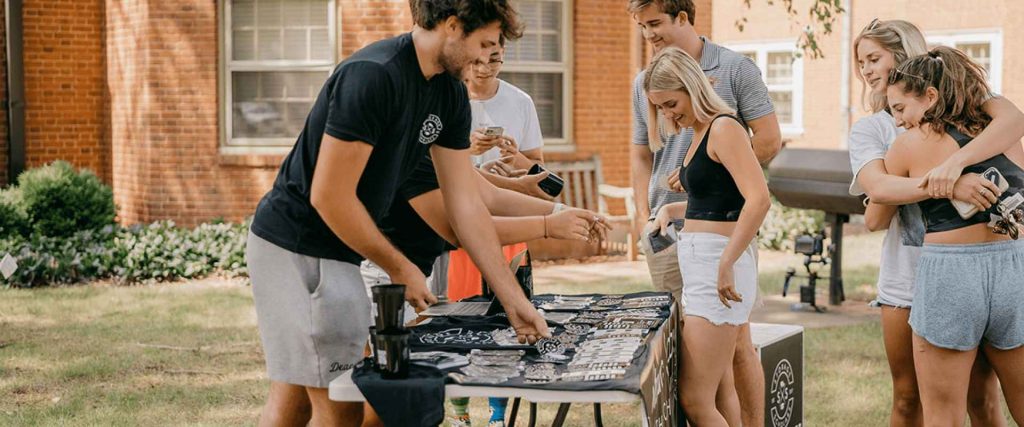
For college student-athletes, life often revolves around packed schedules filled with practices, games, classes, and team commitments. The demands are unrelenting, with early morning workouts and late-night study sessions leaving little room for leisure. While discipline and hard work are key ingredients for success both on and off the field, carving out time for fun and socializing is equally important. Striking this balance can significantly enhance a student-athlete’s college experience and contribute to their overall well-being.
Building Lasting Memories Beyond Athletics
College is more than just a stepping stone to professional opportunities; it’s a time for self-discovery, relationship building, and personal growth. For student-athletes, it’s easy to become consumed by the pursuit of athletic and academic excellence, but the memories that often stick long after graduation come from shared experiences with friends, peers, and teammates outside of structured settings.
Participating in social activities allows student-athletes to create bonds that extend beyond the court or field. These moments of connection—laughing over shared meals, attending campus events, or participating in intramural activities—foster friendships that last a lifetime. They also provide a crucial counterbalance to the often high-pressure environment of competitive sports.
Reducing Stress and Preventing Burnout
The physical and mental demands placed on college athletes are immense. The weight of expectations—from coaches, teammates, and even themselves—can lead to stress and, in some cases, burnout. Finding time to unwind through social activities is a powerful antidote. Fun doesn’t just offer a temporary distraction; it serves as an essential reset for the mind and body.
Laughter, light-hearted interactions, and moments of joy help release endorphins, reduce cortisol levels, and improve overall mood. Whether it’s attending a campus concert, exploring new hobbies, or simply hanging out with friends, these activities create space for athletes to recharge. This, in turn, enhances focus and energy when they return to their academic and athletic responsibilities.
Enhancing Interpersonal Skills
Socializing is not just a way to relax—it’s also an opportunity to develop valuable life skills. College is a microcosm of society, and engaging with peers from different backgrounds broadens perspectives and fosters empathy. For student-athletes, who often spend the majority of their time with teammates, branching out into broader social circles can offer a refreshing change and build communication skills essential for life after sports.
Interpersonal skills developed through social interactions—active listening, conflict resolution, and adaptability—are crucial in the professional world. Networking events, student organizations, and casual meet-ups all provide platforms for athletes to practice these skills in a low-stakes environment.
Strengthening Identity Beyond Athletics
For many student-athletes, their sport becomes a defining aspect of their identity. While this dedication is admirable, it’s important to nurture a sense of self that extends beyond their athletic accomplishments. College is a time to explore other interests, hobbies, and passions, and socializing can help athletes discover aspects of their identity that may have been overlooked.
Whether it’s joining a club, attending a cultural event, or simply spending time with non-athlete peers, engaging in diverse activities helps student-athletes gain a fuller understanding of who they are. This balanced identity becomes especially important as they transition out of collegiate athletics and into new roles and careers.
Boosting Mental Health and Emotional Resilience
The mental health of college athletes has become a growing concern in recent years, with many struggling under the weight of academic, athletic, and social pressures. Fun and relaxation are not indulgences; they’re integral to maintaining a healthy mindset. Socializing provides a support system—a network of friends who can offer perspective, encouragement, and a listening ear during challenging times.
These moments of connection can also help student-athletes develop emotional resilience. Engaging with others teaches them how to navigate the ups and downs of relationships and provides a safe space to express their feelings. Such experiences build coping mechanisms that are vital both in sports and in life.
Time Management: The Key to Balance
Of course, the challenge for student-athletes lies in finding the time for social activities amid their busy schedules. Prioritization and time management are critical. It’s not about neglecting responsibilities but about integrating moments of fun into their lives in ways that enhance, rather than detract from, their overall goals.
Encourage student-athletes to plan ahead, setting aside specific times for relaxation and socializing. These intentional breaks can improve their productivity, ensuring they approach their academic and athletic commitments with renewed focus and enthusiasm. Coaches and athletic programs also play a role by fostering a culture that values mental well-being alongside performance.
A College Experience Worth Remembering
Ultimately, the college years are a fleeting chapter in life—a time for growth, exploration, and unforgettable experiences. For student-athletes, the demands of their schedules make it easy to put blinders on and focus solely on performance. However, the richness of the college experience comes from its balance: excelling on the field, succeeding in the classroom, and cherishing the moments of fun and connection in between.
Encouraging student-athletes to embrace their social lives isn’t about asking them to compromise their goals; it’s about recognizing that joy, camaraderie, and balance are essential components of long-term success. By prioritizing fun alongside their responsibilities, student-athletes can create a college experience that leaves them not just accomplished, but fulfilled.