

Building Confidence for Public Speaking: How Athletes Can Thrive in Corporate Presentations

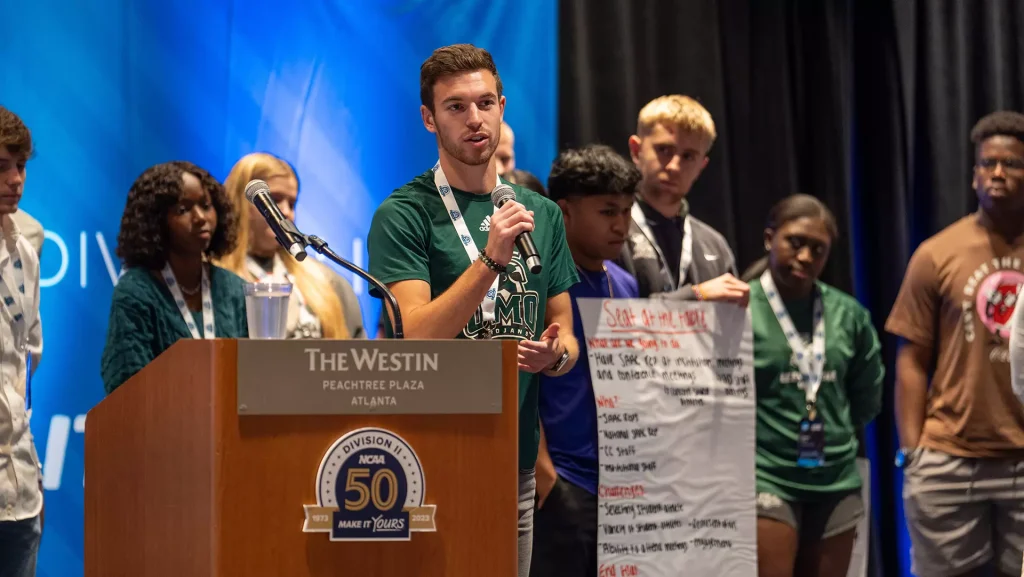
For many athletes, public speaking is a skill that doesn’t always come naturally. Stepping into the corporate world means translating the confidence from the field to the boardroom. Yet the qualities that make great athletes—determination, discipline, and resilience—are the very traits that can transform them into powerful speakers. Transitioning these skills requires strategy and practice, but athletes have a unique advantage in becoming compelling, confident corporate presenters.
Translating Athletic Discipline into Presentation Preparation
Athletes know that preparation is the foundation of any great performance, whether it’s a game, a match, or a presentation. Just as athletes train for competition by honing their physical skills, preparing for a corporate presentation means understanding the material deeply. This involves studying the audience, crafting a compelling narrative, and rehearsing thoroughly.
Research and rehearsal should mirror the rigorous routine of athletic training. By planning an outline, practicing transitions, and preparing for potential questions, speakers can create a presentation with a clear message that holds their audience’s attention. Each element—from introductory remarks to the final point—should be purposeful, echoing the intentionality athletes bring to their sport. Repetition builds comfort, so practicing with an audience or recording practice sessions can provide valuable feedback on pacing, clarity, and presence.
Drawing Confidence from Familiar Routines
Just as pre-game rituals help athletes focus, establishing a pre-presentation routine can ground and center a speaker before stepping in front of an audience. Techniques such as visualization or controlled breathing, which are often used by athletes to calm nerves, can be equally effective for managing presentation anxiety. Visualizing a successful presentation and imagining positive audience reactions can help build a confident mindset.
Controlled breathing is another simple yet powerful technique for calming nerves before and during a presentation. Slow, deep breaths activate the body’s relaxation response, allowing speakers to feel more in control and focused. Establishing a consistent pre-presentation ritual helps athletes transform nervous energy into positive energy, channeling their intensity into a polished and engaging delivery.
Tapping into Athletic Resilience to Handle Adversity
Public speaking can be unpredictable, much like competitive sports. An unexpected question, a technical issue, or a challenging audience are just a few obstacles speakers might face. Here, athletes have a natural advantage. They are used to encountering setbacks and adjusting their strategy in real time, whether it’s a change in the game plan or an injury mid-game. This resilience is invaluable in corporate presentations, where adaptability can mean the difference between a strong finish and a flustered one.
One way to practice resilience in presentations is to anticipate challenges and prepare for them. This might include rehearsing answers to tough questions, having backup material in case of technical difficulties, or practicing staying composed under pressure. By approaching public speaking as they would any athletic event—where adaptability is key—athletes can remain calm and composed no matter what unfolds during the presentation.
Leveraging the Power of Storytelling
Successful athletes often have compelling personal stories of perseverance, teamwork, and achievement that resonate with audiences. These experiences can be powerful tools in a corporate presentation. Storytelling is an effective way to build rapport and captivate listeners, making technical or complex information relatable and memorable.
When preparing a presentation, athletes should consider incorporating personal anecdotes that illustrate key points or relate to the topic. For example, describing a moment when teamwork led to success on the field can be an effective way to emphasize collaboration in the workplace. Stories have the power to engage emotions, making the audience more receptive to the speaker’s message. Framing key points as a story or sharing personal experiences can make a presentation feel authentic and impactful, adding depth beyond the data and facts.
Embracing Body Language and Nonverbal Communication
On the field, athletes use body language to signal confidence, readiness, and intention. In corporate presentations, nonverbal communication is just as crucial. Good posture, purposeful movement, and eye contact can reinforce a speaker’s message and project confidence. Athletes are already aware of how to control their bodies in high-stakes situations, making it easier for them to focus on their physical presence in front of an audience.
Practicing body language involves paying attention to how movements support the spoken message. Using gestures to emphasize points, maintaining open posture, and making regular eye contact can create a connection with the audience. Smiling and appearing relaxed can also project warmth and approachability, making the presentation more engaging. For athletes accustomed to performing under observation, focusing on body language is an extension of their existing skills.
Harnessing a Competitive Mindset for Success
Athletes thrive in competitive environments, and this mindset can be an asset in corporate presentations. Treating a presentation as a competitive challenge—where success means connecting with the audience and delivering a memorable message—can provide motivation and focus. Embracing the drive to succeed encourages speakers to bring their best performance to the presentation, using their ambition and goal-oriented mentality to deliver with enthusiasm.
Building confidence is a gradual process, but with time, preparation, and a positive mindset, athletes can become highly effective public speakers. They bring discipline, resilience, and a competitive edge to the table—qualities that, when harnessed, create a powerful presence in corporate settings. By translating their sports skills into communication strategies, athletes can thrive not just in the game but in the boardroom, inspiring and influencing through every word and gesture.