Career Services in Higher Education: Is There Student-Athlete Neglect?

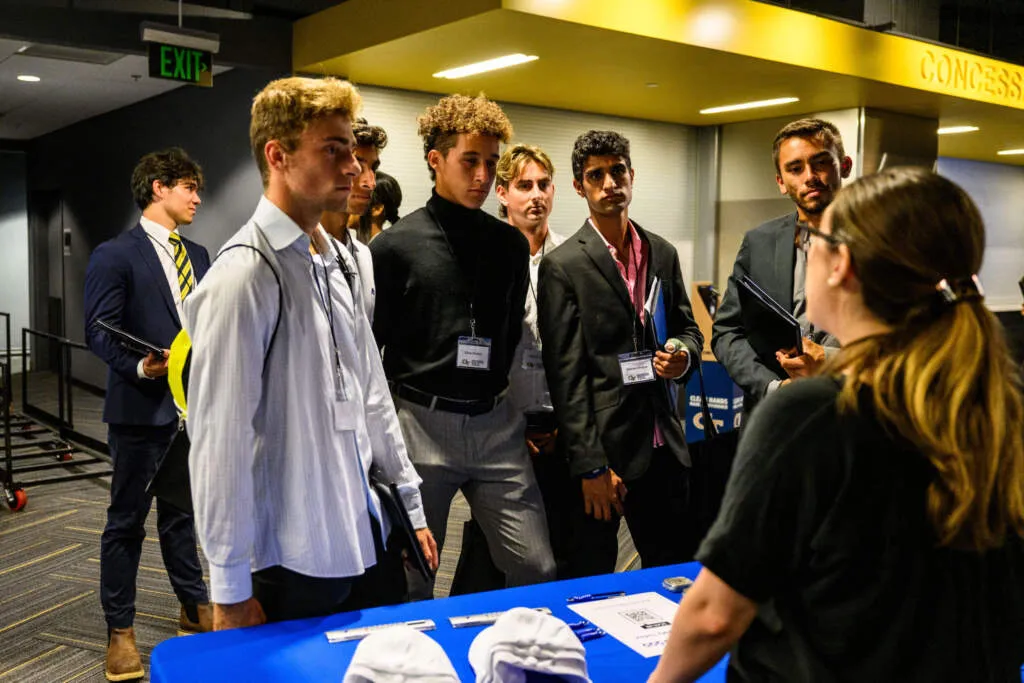
Colleges and universities have long recognized the importance of career services in preparing students for the workforce. These services typically include resume building, interview preparation, job search strategies, and networking opportunities. However, while the general student population often benefits from robust career services, student-athletes frequently find themselves at a disadvantage. This disparity can be attributed to several factors, including the prioritization of general career services over those specifically tailored to the unique needs of student-athletes.
The Focus on General Career Services
Broad Reach and Resource Allocation
Most higher education institutions allocate significant resources to career services that cater to the general student population. This broad approach ensures that the majority of students receive support in their career development, making it a practical and efficient use of resources. According to the National Association of Colleges and Employers (NACE), colleges invest in career fairs, workshops, and one-on-one counseling sessions that are accessible to all students. These services are designed to be inclusive and broadly applicable, providing general career guidance that can benefit a wide range of academic disciplines and career aspirations.
Standardized Offerings
Career services offices often offer standardized programs that address common career preparation needs. These include resume and cover letter workshops, job search strategies, and interview preparation. While these services are valuable, they may not address the specific challenges and schedules of student-athletes. The focus on general services means that tailored support for niche groups like student-athletes can be overlooked.
The Unique Needs of Student-Athletes
Time Constraints and Scheduling Conflicts
Student-athletes face demanding schedules that include rigorous training, competitions, and travel, leaving little time for career development activities. According to the NCAA, student-athletes can spend up to 20 hours per week on their sport, not including travel time. This makes it difficult for them to attend career fairs, workshops, and other events that are typically scheduled during regular business hours. The result is that student-athletes often miss out on opportunities that are readily available to their non-athlete peers.
Specialized Skill Translation
While student-athletes develop a range of valuable skills through their sports—such as leadership, teamwork, and time management—they may need help translating these skills into professional contexts. Standard career services may not provide the specialized support needed to help student-athletes articulate their unique experiences and strengths in a way that resonates with potential employers.
Lack of Tailored Career Services for Student-Athletes
Inadequate Awareness and Access
Many student-athletes are unaware of the career services available to them, or they may not understand how to access these resources effectively. A study by the National Collegiate Athletic Association (NCAA) revealed that 48% of student-athletes feel unprepared for life after college, indicating a gap in career readiness support. This lack of awareness and access is often exacerbated by the physical and logistical separation of athletic facilities from the main campus, where career services offices are typically located.
Insufficient Collaboration Between Departments
Effective career support for student-athletes requires collaboration between athletic departments and career services offices. However, this collaboration is often lacking. Athletic departments may prioritize the immediate needs of sports programs over long-term career development, while career services offices may not fully understand the unique challenges faced by student-athletes. This disconnect can result in student-athletes not receiving the comprehensive support they need.
Successful Models of Tailored Support
Integrated Career Services
Some universities have successfully integrated career services into the athletic experience, providing models that other institutions can follow. For example, the University of Michigan’s Athlete Career Track (ACT) program is designed specifically for student-athletes, offering career counseling, networking events, and internship placements that accommodate their schedules. Similarly, the University of North Carolina’s Richard A. Baddour Carolina Leadership Academy offers leadership and career development programs tailored to the needs of student-athletes.
Flexible and Accessible Services
To better support student-athletes, career services offices can implement flexible scheduling and virtual resources. Offering workshops and counseling sessions during early mornings, evenings, and weekends can make these services more accessible. Virtual career fairs and online resources also provide valuable support that student-athletes can access at their convenience.
Recommendations for Improvement
Targeted Communication and Outreach
Career services offices should develop targeted communication strategies to raise awareness among student-athletes about available resources. This can include presentations at team meetings, athletic department newsletters, and dedicated sections on career services websites.
Tailored Programming
Designing career development programs that address the unique strengths and challenges of student-athletes can help bridge the gap. This includes helping them translate their athletic experiences into professional skills and offering industry-specific guidance.
Enhanced Collaboration
Fostering strong partnerships between career services and athletic departments is crucial. Regular meetings between career counselors and athletic staff can ensure that student-athletes’ career development needs are being met and that resources are effectively utilized.
While colleges and universities invest heavily in career services for the general student population, student-athletes often do not receive the tailored support they need to prepare for life after college. By raising awareness, offering flexible and accessible services, and fostering collaboration between departments, institutions can better support the unique needs of student-athletes. Prioritizing these efforts will ensure that all students, regardless of their extracurricular commitments, are well-prepared for their future careers.