

How to Master Virtual Interviews: Best Practices for Student-Athletes

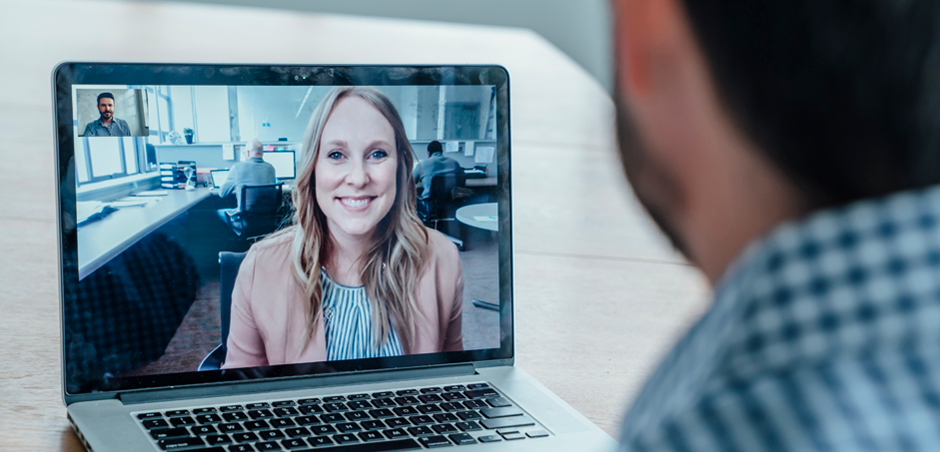
Balancing academic performance, athletic commitments, and preparing for career opportunities can be a juggling act for student-athletes. As virtual interviews become more common, mastering this format has become an essential skill, especially for athletes who often have limited time and need to make a strong impression quickly. While the content of what you say is crucial, the way you present yourself in a virtual environment can make all the difference in standing out to potential employers. Understanding how to navigate this unique interview setting is key to showcasing your abilities and making a lasting impact.
Preparation Beyond the Basics
Preparing for a virtual interview goes beyond just rehearsing answers to common questions. It involves making sure your technology, environment, and personal presentation are all in sync to give you the best chance of success. The virtual environment creates a different dynamic compared to in-person meetings, where body language, small talk, and environmental cues play a bigger role. In the virtual world, how you handle technical logistics and present yourself through a screen becomes part of the overall impression.
Start by ensuring your technology is reliable. Test your internet connection, camera, and microphone well before the interview. Having high-quality audio and video can enhance the professionalism of your presence, and it’s essential to be seen and heard clearly. Consider using headphones with a microphone for better sound quality, which can prevent background noise from being a distraction.
Additionally, think about your environment. Choose a quiet, well-lit space for the interview, free from distractions or interruptions. Natural lighting or a ring light placed in front of you can help illuminate your face, making you appear more engaged. Your background should be clean and professional, signaling to the interviewer that you’ve taken the time to prepare properly.
Building Rapport in a Virtual Space
One of the biggest challenges of virtual interviews is creating a connection with the interviewer through a screen. In traditional interviews, rapport can be built through body language and casual conversation. While it’s harder to replicate that dynamic virtually, it’s still possible to build a strong connection by being intentional about your interactions.
Begin with a confident and friendly greeting, and don’t be afraid to engage in light conversation before diving into the formal interview. Express interest in the company and the role, and make sure to smile and maintain eye contact by looking directly at the camera, rather than the screen. This creates the impression of eye contact, which helps to build trust and make the conversation feel more personal.
During the interview, be mindful of your nonverbal communication. Sit up straight, avoid fidgeting, and use appropriate hand gestures when speaking. In a virtual setting, these small movements can help convey energy and engagement, making it easier for the interviewer to connect with you.
Telling Your Story as a Student-Athlete
As a student-athlete, you have a unique story to tell, and the virtual interview is the perfect opportunity to showcase how your experiences in sports translate to professional skills. Whether it’s leadership, teamwork, time management, or resilience, your athletic background gives you a wealth of transferable skills that employers value. To stand out in a virtual interview, you need to clearly articulate how your experiences in sports have prepared you for the job.
Be ready to provide specific examples that demonstrate your abilities. For instance, if you’re asked about problem-solving, you might share a story about how you handled adversity during a game or helped improve team dynamics as a captain. Relating these experiences to the professional world helps the interviewer understand the value you can bring to their organization.
In addition, many student-athletes are adept at managing multiple responsibilities—balancing training schedules, academic deadlines, and personal commitments. Highlighting your ability to prioritize and stay organized under pressure can reinforce your qualifications for roles that require time management and focus.
Managing the Flow of the Conversation
In virtual interviews, it’s important to manage the flow of the conversation to avoid awkward pauses or interruptions. Since there may be slight delays in audio or video, be sure to pause briefly after the interviewer finishes speaking to ensure they’re done. This helps prevent talking over one another, which can disrupt the flow of the interview and create confusion.
If you’re unsure about a question or need clarification, don’t hesitate to ask. Virtual interviews sometimes make it difficult to catch every word due to connectivity issues, so it’s better to ask for clarification than to guess and give an irrelevant answer. This also shows that you are thoughtful and attentive, qualities that employers look for.
Another key aspect is pacing yourself when responding. Without the in-person cues, it’s easy to speak too quickly or too slowly. Practice maintaining a steady pace when answering questions, allowing your thoughts to flow clearly. This gives you time to think through your responses and helps ensure the interviewer can follow along easily.
Following Up with Impact
After the interview, a well-crafted follow-up email can leave a lasting impression. Virtual interviews, by nature, can sometimes feel less personal, so following up with a personalized note helps bridge that gap. Thank the interviewer for their time and reiterate your enthusiasm for the role. Mention something specific from the interview that stood out to you, whether it’s a discussion point, a company value, or a challenge they mentioned. This reinforces your engagement with the process and shows that you’re already thinking about how you can contribute.
In the follow-up, you can also briefly highlight a point from the interview or share additional information that supports your candidacy. For example, if there’s a skill or experience you didn’t fully elaborate on during the interview, the follow-up email is a great place to provide more context.
Embracing the Virtual Environment
Virtual interviews are now a permanent part of the recruitment landscape, and learning how to navigate them effectively is essential for success. As a student-athlete, you already possess a range of skills—discipline, focus, and adaptability—that can help you excel in this format. By preparing thoroughly, engaging thoughtfully, and presenting your experiences in a clear and compelling way, you can leverage the virtual interview to showcase your strengths and move closer to your professional goals.